Interesting Facts & The Latest Projects....
The History of Chair Caning
Rattan cane has ancient beginnings. Woven rush and wicker, closely related to modern rattan work, dates back to 3000 BC. Archaeologists have discovered woven beds and stools in the tombs of Egyption pharaohs including King Tutankhamen.
There is also archaeological evidence that the traditional 'six-way' weave (the most common pattern used today) was being practiced in ancient china 2000 years ago.
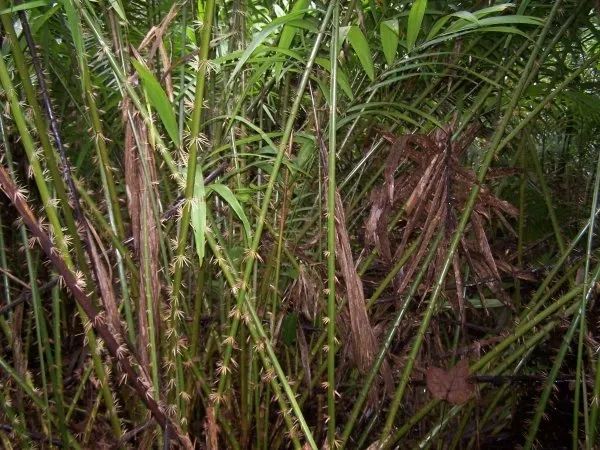
Although early grass-based wicker was pioneered in Egypt, concurrently, rattan craft was developed in Southeast Asia. Native to the tropics, rattan is a fast-growing, climbing palm which was (and still is) widely used for furniture, baskets and mats.
In the 17th century, Portuguese traders brought rattan to Europe when returning from their expeditions. By the mid-17th century, rattan cane weaving had become highly fashionable throughout England and France.
Rattan cane was celebrated as a cleaner, more hygienic alternative to upholstered seating which was prone to attracting mites and parasites.
By the Victorian era, rattan cane weaving was immensly popular across the UK. In 1862 furniture maker, the wellknown Michael Thonet,began adding pre-woven cane panels into mass-produced bentwood chairs for cafes.
The 1960s and 70s saw a massive revival when furniture designers used rattan cane to give their furniture a bohemian aesthetic.
Today, rattan cane weaving is a skilled specialised craft with a wide variety of weave patterns and uses. The majority of modern furniture is 'pressed' cane (pre-woven sheet).
Sadly, it is also considered a 'dying craft' as technology is progressing and the younger generations are losing interest in time-consuming skills.
How the atmosphere impacts split rattan.
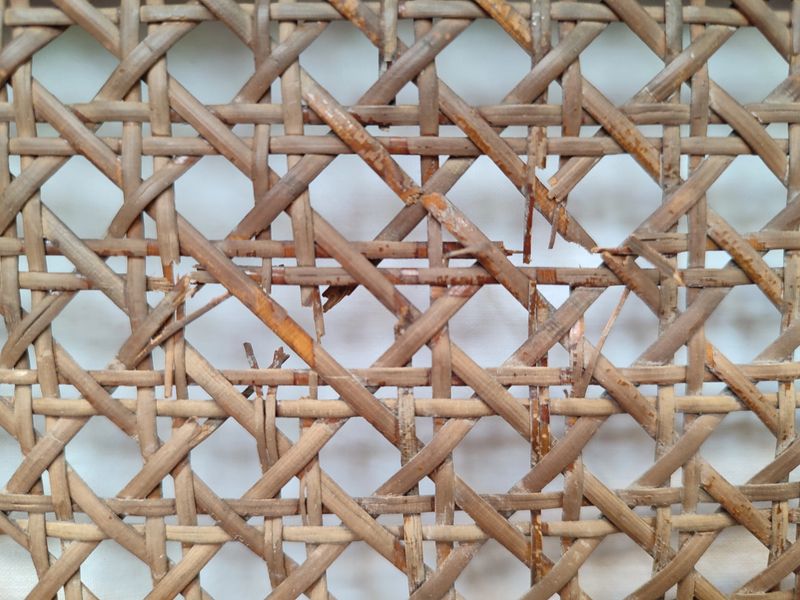
Cane chairs and furniture need to be kept away from areas of extreme heat and low humidity. Direct sunlight and heater ducts should be avoided.These conditions will cause the cane to dry out and become brittle and break.Fresh rattan cane has an elasticity to it which allows some give when sat on or leant against (chair backs) and it is the moisture content that allows it do this. Using a high-oil content furniture polish product when you dust helps to keep the cane supple. Lemon oil, orange oil, or mineral oil (use sparingly) applied to both the top and bottom of the cane seat a few times a year is usually sufficient. Another beneficial practice is to spray the underside of the cane with water from a misting bottle once or twice a year if your home or the room is of low humidity.
Conversely, if the humidity is too high (over 50%) the cane is likely to suffer from mould. The ideal humidity is 35-45%. If your home is 50% or above in the winter then it is worth considering the use of dehumidifier to remove some of the moisture in the air. I use one in my workshop and it amazes me how much water it collects. It's great for drying out the washing too!
Why weight distribution is important!
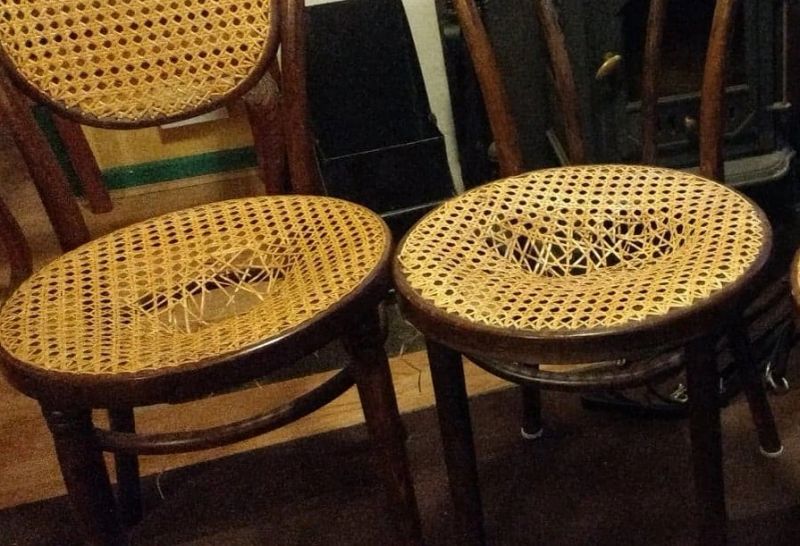
A cane seat is intended to take evenly distributed weight of the person sitting on it and it is incredibly strong when used for its intended purpose, however it is very fragile under concentrated weight like a knee or foot, so NEVER kneel on a cane seat or use it as a ladder or step stool. Doing so will cause the cane strands to break and the seat will need to be rewoven prematurely.
This especially pertains to large chairs with a seat diameter of greater than 14 inches. A chair pad or cushion will distribute the weight evenly and take the pressure off the individual strands of cane, thus making them last longer.